

My passion for person-centered care was born with my son, Sam, 29 years ago. I became an active member of my hospital’s Birth Center Patient and Family Advisory Council (PFAC) after Sam’s birth and have volunteered with various councils, committees, and the statewide safety group since 1997. Care that is person-centered is the driving force behind this vital work. Through Planetree’s Global Patient and Family Partnership Council, I have found a meaningful way to effect positive change toward advancing Person-Centered Care (PCC) throughout healthcare worldwide.
La Atención Centrada en la Persona (ACP) es una atención compasiva y colaborativa que mejora los resultados centrándose en lo que importa a todas las personas implicadas en las experiencias sanitarias.
It all began on Sam’s "birth day".
- 12:30 p.m. – I was in Labor & Delivery with non-stop contractions. The baby was showing signs of stress.
- 12:57 p.m. – I remember seeing someone slapping the big red button on the wall, calling for the surgical team.
- The was instantly invaded by many, many people.
- My husband was pushed out of the way. He ended up behind all the people crowding into the room—away from me.
- He was tossed some scrubs and told to put them on and come to the desk.
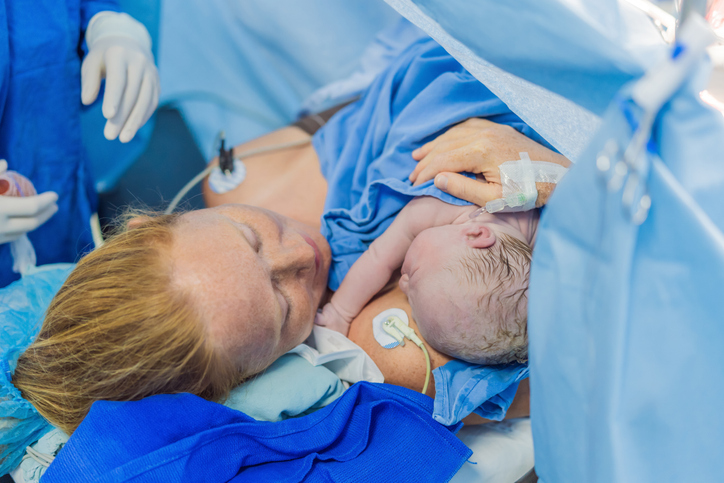
- I was wheeled out the door and RUN down the hall to the Operating Room.
- I clearly remember being near panic as I was prepped for surgery, arms splayed out on the table, calling out for my husband while the anesthesiologist, with the mask inches from my face, said, “Are we ready? Are we ready? Are we ready now?”
- 1:06 PM - He was born. My nine-minute baby.
This was obviously an emergency situation, and I would not change any of the decisions made to ensure the healthy birth of my son. However, there is, even in times of crisis, room for a PCC approach—compassionate and collaborative care.
Compassion
Compassion and empathy were lacking. My husband was ignored and tossed some scrubs. My cries for him in the operating room were ignored. It would have made all the difference for him if someone had acknowledged his presence in the corner of the room and his fear about the emergent situation. It would have made all the difference for me if someone in the operating room had acknowledged my cries and reassured me that I would see my husband when I woke up.
Collaboration
This was not a collaborative event, and that is 100% okay with me. I have a healthy 29-year-old son. This was not the time for a discussion about procedures and options. However, there was still time for sharing information, even in an emergency like this. It only takes seconds.
It would have made all the difference if someone had stayed with my husband, informed him what was happening to me, what he would see when he went into the operating room, and that his son would already be born when he entered. It would have made all the difference if someone had taken five seconds to speak to me bluntly and clearly, taking my face in their hands given the chaos of the room, and saying directly: “Lisa, the baby is going to be born right now. You will be unconscious. Say goodbye to your husband now. You will see him later.”
Five seconds. That’s all it would have taken.
Those five seconds would have allowed me to participate in the situation, to know and understand what was happening to me and my unborn child.
Turning Experience into Change
I joined my hospital’s maternity PFAC because of my birth experience. Working with that council and the leadership in the Birth Center, I shared this story with Birth Center nursing leadership and unit nurses, hospital-wide nursing leadership, and organizational safety leaders. The hospital’s Board of Directors heard our family’s story twice.
I also shared our family’s story with more than 300 birth educators from the Twin Cities as part of a panel discussion. During questions, one educator stood and said, “I would like to apologize for all of us, and we are so sorry that happened. May I give you a hug?” The expression of regret from a professional and the sincere and welcome hug brought me to tears.
It was about ten years after Sam’s birth that I made the presentation to the Safety Leaders for the organization. Birth Center nurse leaders who knew me and had heard the story before were present. After my presentation and story, one of the nurse leaders stood up and spoke. She told me and the entire committee, “Lisa, every emergency cesarian birth I think of you. I do things differently because of your story and experience.”
This is the heart and soul of PCC: hearing, understanding, and valuing the experiences and perspectives of the patient, family members, and professionals. My lived experience could have been so different. The experience of the professionals with me could have been so different.
As a central tenet of Planetree’s mission, the Global PFPC works in partnership with Planetree staff and healthcare organizations to ensure that the voices of patients and families are not only heard, but actively inform decisions, programs, and priorities. Through ongoing collaboration and codesign, the Global PFPC provides insight and guidance on initiatives that improve the care experience, strengthen person-centered practices, and highlight what matters most to those receiving care.
This is why I do this important work.
About the Author
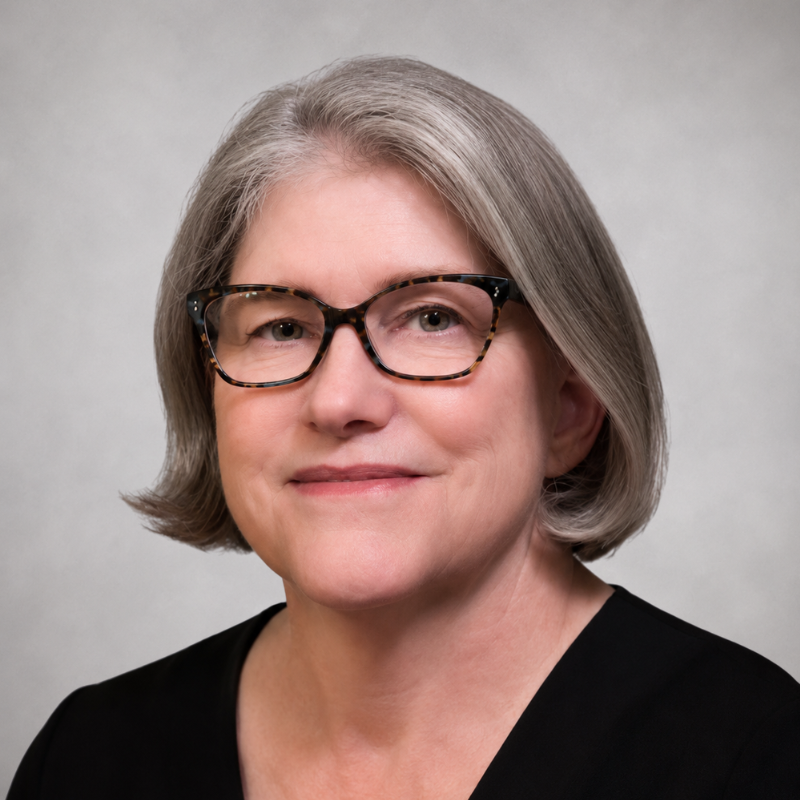
Lisa K. Keitel lives in St. Paul, Minnesota. She has been an active member of the Planetree Global Patient and Family Partnership Council (Global PFPC) since 2020, serving on subcommittees focused on annual initiatives, recruitment, content review, and other Council priorities. She has presented the Council’s work at annual Planetree Forums in Baltimore, Boston, and New Orleans. Since 2020, Lisa has also served as a member of the Minnesota Alliance for Patient Safety Statewide Community Advisory Council.
-


